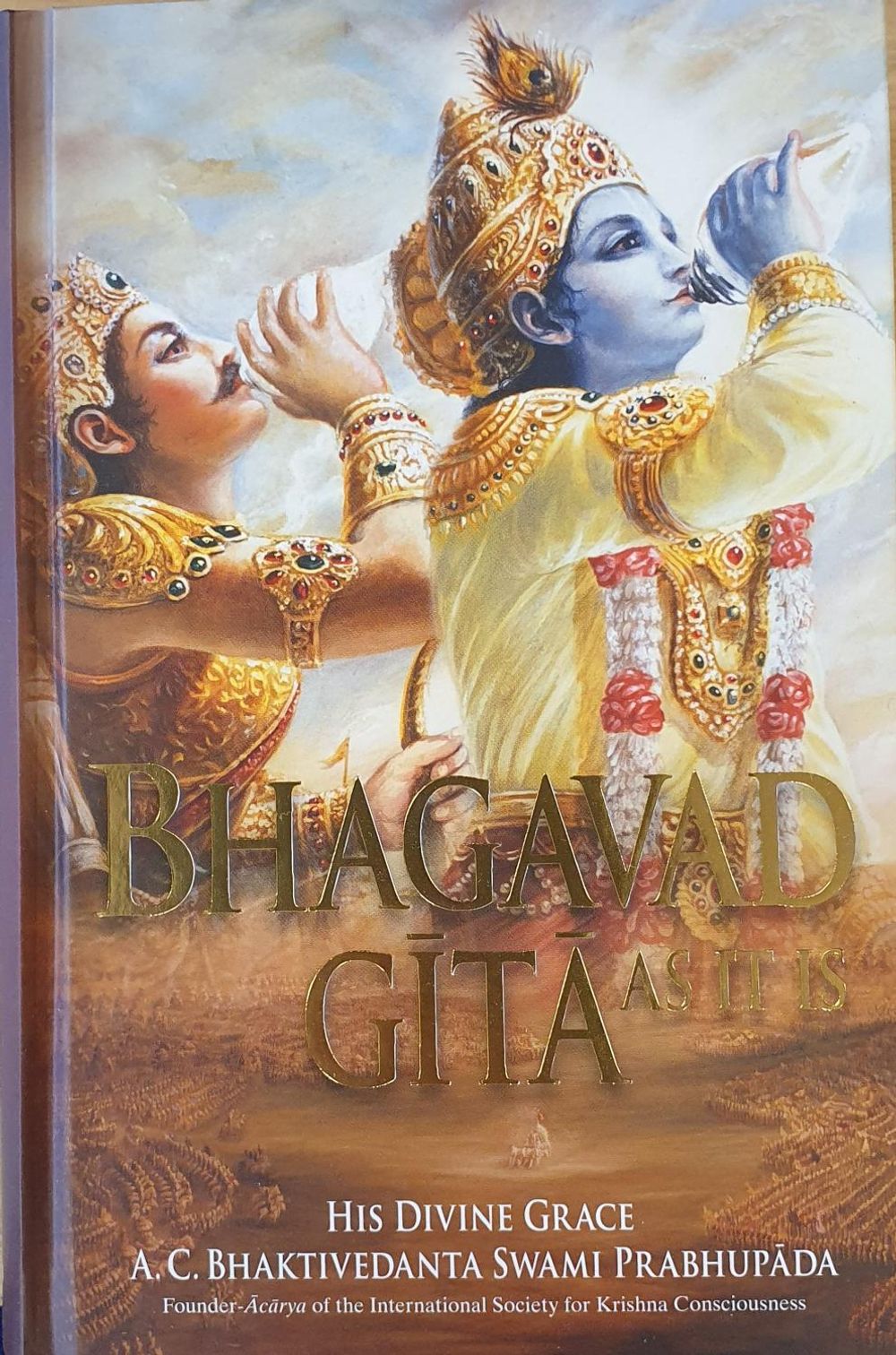
BG 17: The Divisions of Faith
1
arjuna uvāca
ye śāstra-vidhim utsṛjya
yajante śraddhayānvitāḥ
teṣāḿ niṣṭhā tu kā kṛṣṇa
sattvam āho rajas tamaḥ
TRANSLATION
Arjuna inquired: O Kṛṣṇa, what is the situation of those who do not follow the principles of scripture but worship according to their own imagination? Are they in goodness, in passion or in ignorance?
2
śrī-bhagavān uvāca
tri-vidhā bhavati śraddhā
dehināḿ sā svabhāva-jā
sāttvikī rājasī caiva
tāmasī ceti tāḿ śṛṇu
TRANSLATION
The Supreme Personality of Godhead said: According to the modes of nature acquired by the embodied soul, one's faith can be of three kinds — in goodness, in passion or in ignorance. Now hear about this.
3
sattvānurūpā sarvasya
śraddhā bhavati bhārata
śraddhā-mayo 'yaḿ puruṣo
yo yac-chraddhaḥ sa eva saḥ
TRANSLATION
O son of Bharata, according to one's existence under the various modes of nature, one evolves a particular kind of faith. The living being is said to be of a particular faith according to the modes he has acquired.
4
yajante sāttvikā devān
yakṣa-rakṣāḿsi rājasāḥ
pretān bhūta-gaṇāḿś cānye
yajante tāmasā janāḥ
TRANSLATION
Men in the mode of goodness worship the demigods; those in the mode of passion worship the demons; and those in the mode of ignorance worship ghosts and spirits.
5-6
aśāstra-vihitaḿ ghoraḿ tapyante ye tapo
janāḥ dambhāhańkāra-saḿyuktāḥ kāma-rāga-balānvitāḥ karṣayantaḥ śarīra-sthaḿ
bhūta-grāmam acetasaḥ māḿ caivāntaḥ śarīra-sthaḿ
tān viddhy āsura-niścayān
TRANSLATION
Those who undergo severe austerities and penances not recommended in the scriptures, performing them out of pride and egoism, who are impelled by lust and attachment, who are foolish and who torture the material elements of the body as well as the Supersoul dwelling within, are to be known as demons.
7
āhāras tv api sarvasya
tri-vidho bhavati priyaḥ
yajñas tapas tathā dānaḿ
teṣāḿ bhedam imaḿ śṛṇu
TRANSLATION
Even the food each person prefers is of three kinds, according to the three modes of material nature. The same is true of sacrifices, austerities and charity. Now hear of the distinctions between them.
8
āyuḥ-sattva-balārogya-
sukha-prīti-vivardhanāḥ
rasyāḥ snigdhāḥ sthirā hṛdyā
āhārāḥ sāttvika-priyāḥ
TRANSLATION
Foods dear to those in the mode of goodness increase the duration of life, purify one's existence and give strength, health, happiness and satisfaction. Such foods are juicy, fatty, wholesome, and pleasing to the heart.
9
kaṭv-amla-lavaṇāty-uṣṇa-
tīkṣṇa-rūkṣa-vidāhinaḥ
āhārā rājasasyeṣṭā
duḥkha-śokāmaya-pradāḥ
TRANSLATION
Foods that are too bitter, too sour, salty, hot, pungent, dry and burning are dear to those in the mode of passion. Such foods cause distress, misery and disease.
10
yāta-yāmaḿ gata-rasaḿ
pūti paryuṣitaḿ ca yat
ucchiṣṭam api cāmedhyaḿ
bhojanaḿ tāmasa-priyam
TRANSLATION
Food prepared more than three hours before being eaten, food that is tasteless, decomposed and putrid, and food consisting of remnants and untouchable things is dear to those in the mode of darkness.
11
aphalākāńkṣibhir yajño
vidhi-diṣṭo ya ijyate
yaṣṭavyam eveti manaḥ
samādhāya sa sāttvikaḥ
TRANSLATION
Of sacrifices, the sacrifice performed according to the directions of scripture, as a matter of duty, by those who desire no reward, is of the nature of goodness.
12
abhisandhāya tu phalaḿ
dambhārtham api caiva yat
ijyate bharata-śreṣṭha
taḿ yajñaḿ viddhi rājasam
TRANSLATION
But the sacrifice performed for some material benefit, or for the sake of pride, O chief of the Bhāratas, you should know to be in the mode of passion.
13
vidhi-hīnam asṛṣṭānnaḿ
mantra-hīnam adakṣiṇam
śraddhā-virahitaḿ yajñaḿ
tāmasaḿ paricakṣate
TRANSLATION
Any sacrifice performed without regard for the directions of scripture, without distribution of prasādam [spiritual food], without chanting of Vedic hymns and remunerations to the priests, and without faith is considered to be in the mode of ignorance.
14
deva-dvija-guru-prājña-
pūjanaḿ śaucam ārjavam
brahmacaryam ahiḿsā ca
śārīraḿ tapa ucyate
TRANSLATION
Austerity of the body consists in worship of the Supreme Lord, the brāhmaṇas, the spiritual master, and superiors like the father and mother, and in cleanliness, simplicity, celibacy and nonviolence.
15
anudvega-karaḿ vākyaḿ
satyaḿ priya-hitaḿ ca yat
svādhyāyābhyasanaḿ caiva
vāń-mayaḿ tapa ucyate
TRANSLATION
Austerity of speech consists in speaking words that are truthful, pleasing, beneficial, and not agitating to others, and also in regularly reciting Vedic literature.
16
manaḥ-prasādaḥ saumyatvaḿ
maunam ātma-vinigrahaḥ
bhāva-saḿśuddhir ity etat
tapo mānasam ucyate
TRANSLATION
And satisfaction, simplicity, gravity, self-control and purification of one's existence are the austerities of the mind.
17
śraddhayā parayā taptaḿ
tapas tat tri-vidhaḿ naraiḥ
aphalākāńkṣibhir yuktaiḥ
sāttvikaḿ paricakṣate
TRANSLATION
This threefold austerity, performed with transcendental faith by men not expecting material benefits but engaged only for the sake of the Supreme, is called austerity in goodness.
18
satkāra-māna-pūjārthaḿ
tapo dambhena caiva yat
kriyate tad iha proktaḿ
rājasaḿ calam adhruvam
TRANSLATION
Penance performed out of pride and for the sake of gaining respect, honor and worship is said to be in the mode of passion. It is neither stable nor permanent.
19
mūḍha-grāheṇātmano yat
pīḍayā kriyate tapaḥ
parasyotsādanārthaḿ vā
tat tāmasam udāhṛtam
TRANSLATION
Penance performed out of foolishness, with self-torture or to destroy or injure others, is said to be in the mode of ignorance.
20
dātavyam iti yad dānaḿ
dīyate 'nupakāriṇe
deśe kāle ca pātre ca
tad dānaḿ sāttvikaḿ smṛtam
TRANSLATION
Charity given out of duty, without expectation of return, at the proper time and place, and to a worthy person is considered to be in the mode of goodness.
21
yat tu pratyupakārārthaḿ
phalam uddiśya vā punaḥ
dīyate ca parikliṣṭaḿ
tad dānaḿ rājasaḿ smṛtam
TRANSLATION
But charity performed with the expectation of some return, or with a desire for fruitive results, or in a grudging mood, is said to be charity in the mode of passion.
22
adeśa-kāle yad dānam
apātrebhyaś ca dīyate
asat-kṛtam avajñātaḿ
tat tāmasam udāhṛtam
TRANSLATION
And charity performed at an impure place, at an improper time, to unworthy persons, or without proper attention and respect is said to be in the mode of ignorance.
23
oḿ tat sad iti nirdeśo
brahmaṇas tri-vidhaḥ smṛtaḥ
brāhmaṇās tena vedāś ca
yajñāś ca vihitāḥ purā
TRANSLATION
From the beginning of creation, the three words oḿ tat sat were used to indicate the Supreme Absolute Truth. These three symbolic representations were used by brāhmaṇas while chanting the hymns of the Vedas and during sacrifices for the satisfaction of the Supreme.
24
tasmād oḿ ity udāhṛtya
yajña-dāna-tapaḥ-kriyāḥ
pravartante vidhānoktāḥ
satataḿ brahma-vādinām
TRANSLATION
Therefore, transcendentalists undertaking performances of sacrifice, charity and penance in accordance with scriptural regulations begin always with oḿ, to attain the Supreme.
25
tad ity anabhisandhāya
phalaḿ yajña-tapaḥ-kriyāḥ
dāna-kriyāś ca vividhāḥ
kriyante mokṣa-kāńkṣibhiḥ
TRANSLATION
Without desiring fruitive results, one should perform various kinds of sacrifice, penance and charity with the word tat. The purpose of such transcendental activities is to get free from material entanglement.
26-27
sad-bhāve sādhu-bhāve ca sad ity
etat prayujyate praśaste karmaṇi tathā
sac-chabdaḥ pārtha yujyate yajñe tapasi
dāne ca sthitiḥ sad iti
cocyate karma caiva tad-arthīyaḿ sad
ity evābhidhīyate
TRANSLATION
The Absolute Truth is the objective of devotional sacrifice, and it is indicated by the word sat. The performer of such sacrifice is also called sat, as are all works of sacrifice, penance and charity which, true to the absolute nature, are performed to please the Supreme Person, O son of Pṛthā.
28
aśraddhayā hutaḿ dattaḿ
tapas taptaḿ kṛtaḿ ca yat
asad ity ucyate pārtha
na ca tat pretya no iha
TRANSLATION
Anything done as sacrifice, charity or penance without faith in the Supreme, O son of Pṛthā, is impermanent. It is called asat and is useless both in this life and the next.